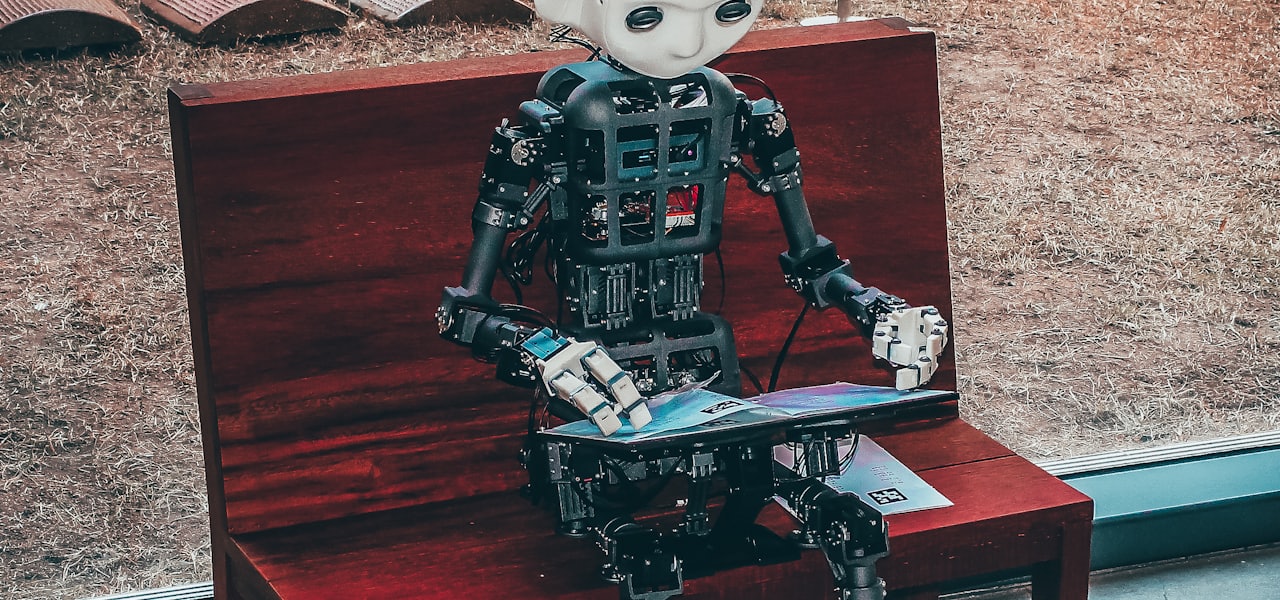
AI Essay On X

AI Essay On X — independent reviews, comparisons, pricing and step-by-step guides on Aizhi.

  • Distributed Common Ground System

    Distributed Common Ground System

    The Distributed Common Ground System (DCGS) is a system which produces military intelligence for multiple branches of the American military. == DCGS Programs == DCGS-N - DCGS for the United States Navy DCGS-A - DCGS for the United States Army AF DCGS - DCGS for the United States Air Force DCGS-MC - DCGS for the United States Marine Corps DCGS-SOF - DCGS for the United States Special Operations Forces IS&A Support Center - DCGS-A Help Desk for the United States Army - https://dcgsahelp.max.gov/ - Max.gov sunset 15 December 2023 == Description == While in U.S. Air Force use, the system produces intelligence collected by the U-2 Dragonlady, RQ-4 Global Hawk, MQ-9 Reaper and MQ-1 Predator. The previous system of similar use was the Deployable Ground Station (DGS), which was first deployed in July 1994. Subsequent version of DGS were developed from 1995 through 2009. Although officially designated a "weapons system", it consists of computer hardware and software connected together in a computer network, devoted to processing and dissemination of information such as images. The 480th Intelligence, Surveillance and Reconnaissance Wing of the Air Combat Command operates and maintains the USAF system. A plan envisioned in 1998 was to develop interoperable systems for the Army and Navy, in addition to the Air Force. By 2006, version 10.6 was deployed by the Air Force, and a version known as DCGS-A was developed for the Army. After a 2010 report by General Michael T. Flynn, the program was intended to use cloud computing and be as easy to use as an iPad, which soldiers over a few years were commonly using. By April 2011, project manager Colonel Charles Wells announced version 3 of the Army system (code named "Griffin") was being deployed in the US war in Afghanistan. In January 2012, the United States Army Communications-Electronics Research, Development and Engineering Center hosted a meeting based on the DCGS-A early experience. It brought together technology providers in the hope of developing more integrated systems using cloud computing with open architectures, compared to previously specialized custom-built systems. A major contractor was Lockheed Martin, with computers supplied by Silicon Graphics International out of its Chippewa Falls, Wisconsin office. Software known as the Analyst's Notebook, originally developed by i2 Limited, was included in DCGS-A. IBM acquired i2 in 2011. Some US Army personnel reported using a Palantir Technologies product to improve their ability to predict locations of improvised explosive devices. An April 2012 report recommending further study after initial success. Palantir software was rated easy to use, but did not have the flexibility and wide number of data sources of DCGS-A. In July 2012, Congressman Duncan D. Hunter (from California, the state where Palantir is based) complained of US DoD obstacles to its wider use. Although a limited test in August 2011 by the Test and Evaluation Command had recommended deployment, operation problems of DCGS-A included the baseline system was "not operationally effective" with reboots on average about every 8 hours. A set of improvements was identified in November 2012. The press reported some of the shortcomings uncovered by General Genaro Dellarocco in the tests. The ambitious goal of integrating 473 data sources for 75 million reports proved to be challenging, after spending an estimated $2.3 billion on the Army system alone. In May 2013 Politico reported that Palantir lobbyists and some anonymous returning veterans continued to advocate the use of its software, despite its interoperability limits. In particular, members of special forces and US Marines were not required to use the official Army system. Similar stories appeared in other publications, with Army representatives (such as Major General Mary A. Legere) citing the limitations of various systems. Congressman Hunter was a member of the House Armed Services Committee which required a review of the program, after two other members of congress sent an open letter to Secretary of Defense Leon Panetta. The Senate Defense Appropriations Subcommittee included testimony from Army Chief of Staff General Ray Odierno. The 130th Engineer Brigade (United States) has found the system to be "unstable, slow, not friendly and a major hindrance to operations". The equivalent system for the United States Navy was planned for initial deployment by 2015, and within a shipboard network called Consolidated Afloat Networks and Enterprise Services (CANES) by 2016. Some early testing was announced in 2009 aboard the aircraft carrier USS Harry Truman. A portion of the software, a distributed data framework for the DCGS integration backbone (DIB) version 4, was submitted to an open-source software repository of the Codice Foundation on GitHub. The framework was new for DIB version 4, replacing the legacy DIB portal with an Ozone Widget Framework interface. It was written in the Java programming language. == DCGS-A == Distributed Common Ground System-Army (DCGS-A) is the United States Army's primary system to post data, process information, and disseminate Intelligence, Surveillance and Reconnaissance (ISR) information about the threat, weather, and terrain to echelons. DCGS-A provides commanders the ability to task battle-space sensors and receive intelligence information from multiple sources. === Promotion === An August 17, 2011, UPI article quoted i2 Chief Executive Officer Robert Griffin who commented on DCGS-A's best-of-breed approach to development. The article detailed the Army contracting with i2 for Analyst's Notebook software. "With its open architecture, Analyst's Notebook supports the Army's strategy to employ and integrate best-of-breed solutions from across the industry to meet the dynamic needs users face in the field on a daily basis." A February 1, 2012, article in the Army web page quoted Mark Kitz, DCGS-A technical director. DCGS-A "uses the latest in cloud technology to rapidly gather, collaborate and share intelligence data from multiple sources to deliver a common operating picture. DCGS-A is able to rapidly adapt to changing operational environments by leveraging an iterative development model and open architecture allowing for collaboration with multiple government, industry and academic partners." A July 2012 article in SIGNAL Magazine, monthly publication of the Armed Forces Communications and Electronics Association, promoted DCGS-A as taking advantage of technological environments with which young soldiers are familiar. The article quoted the DCGS-A program manager, Col. Charles Wells on the systems benefits. The article also included Lockheed Martin's DCGS-A program manager. The Milwaukee Journal Sentinel published an article May 4, 2012, about Wisconsin-located companies helping DCGS-A with cloud computing technology. The article promoted the speed when cloud computing processes intelligence and cost savings by analyzing data in the field. === The U.S. Army's 2011 Posture Statement === The U.S. Army released its 2011 Army Posture Statement March 2. It included a statement on DCGS-A: “The Distributed Common Ground System-Army (DCGS-A) is the Army's premier intelligence, surveillance, and reconnaissance (ISR) enterprise for the tasking of sensors, analysis and processing of data, exploitation of data, and dissemination of intelligence (TPED) across all echelons. It is the Army component of the larger Defense Intelligence Information Enterprise (DI2E) and interoperable with other Service DCGS programs. Under the DI2E framework, USD (I) hopes to provide COCOM Joint Intelligence Operations Centers (JIOCs) capabilities interoperable with DCGS-A through a Cloud/widget approach. DCGS-A connects tactical, operational, and theater-level commanders to hundreds of intelligence and intelligence-related data sources at all classification levels and allows them to focus efforts of the entire ISR community on their information requirements. === Comparisons === Some Ground Commanders who describe DCGS-A as "unwieldy and unreliable, hard to learn and difficult to use," supporting alternative software from Palantir Technologies. Palantir software supports small unit situational awareness, but is not sufficiently funded to support the broader role that DCGS-A fulfills. == Operators == 480th Intelligence, Surveillance and Reconnaissance Wing 9th Intelligence Squadron 13th Intelligence Squadron 548th Intelligence, Surveillance and Reconnaissance Group 548 Operational Support Squadron 48th Intelligence Squadron 101st Intelligence Squadron 113th Air Support Operations Squadron 127th Command and Control Squadron 161st Intelligence Squadron

    Read more →
  • G7 Rapid Response Mechanism

    G7 Rapid Response Mechanism

    The G7 Rapid Response Mechanism (RRM) is an initiative introduced in the "Charlevoix Commitment on Defending Democracy from Foreign Threats", issued by the leaders of the Group of Seven (G7) countries—United States, Canada, Japan, United Kingdom, France, Germany and Italy—on June 9, 2018, during their summit in Charlevoix, Quebec. The RRM's mandate is to strengthen the coordination of G7 member countries, as well as "to identify and respond to diverse and evolving threats to our democracies, including through sharing information and analysis, and identifying opportunities for coordinated response" The G7 is an informal international intergovernmental economic organization that meets annually, whose members represent the seven wealthiest advanced economies in the world, as measured by the International Monetary Fund (IMF). == Constituents == The following countries and organisations are members and observers (associate members) of the G7 Rapid Response Mechanism: Australia Canada France Germany Italy Japan Netherlands New Zealand Poland Sweden United Kingdom United States European Union North Atlantic Treaty Organization == Mandate == The RRM was mandated to "strengthen coordination to prevent, thwart and respond to malign and evolving threats to G7 democracies." It "will share information and threat analysis related to various threats to democracy, and is an established mechanism to identify opportunities for coordinated response." According to the Institute for Research on Public Policy's Policy Options magazine, the "RRM initiative seeks to strengthen the leading democracies' coordination to identify and respond to diverse and evolving threats…including through sharing information and analysis, and identifying opportunities for a coordinated response." == Administration == The RRM initiative is led by Canada through Global Affairs Canada's Centre for International Digital Policy. Tara Denham, Director of the Centre for International Digital Policy at Global Affairs Canada, directed the team responsible for setting up the RRM Coordination Unit. Global Affairs Canada—the Department of Foreign Affairs, Trade and Development—is the federal Canadian ministry responsible for diplomatic and consular relations, international trade, and international development and humanitarian assistance. The Centre for International Digital Policy includes the Digital Inclusion Lab and the RRM. Denham is also the RRM's Canadian Focal Point. At a briefing on "the security and intelligence threats to elections" of the House of Commons Standing Committee on Access to Information, Privacy and Ethics, the chair Bob Zimmer (CPC), said that the 2019 general election "may be different" from past elections in Canada. as the "tools that were used to strengthen civic engagement are being used to undermine, disrupt and destabilize democracy." "Democracies around the world have entered a new era—an era of heightened threat and heightened vigilance—and 2019 will see a number of countries brace for volleys of attempted disruption: India, Australia, Ukraine, Switzerland, Belgium, the EU and, of course, Canada. Evidence has confirmed that the most recent Canadian general election, in 2015, was unencumbered by interference, although there were some relatively primitive attempts to disrupt, misinform and divide. These efforts were few in number and uncoordinated, and had no visible impact on the voter, either online or in line." Zimmer described the initiative's three pillars. "enhancing citizen preparedness" through the "digital citizen initiative" "improving organizational readiness" with national security and intelligence agencies supporting Elections Canada "ensure a comprehensive understanding of and response to any threats to Canada's democratic process." by establishing the Security and Intelligence Threats to Elections Task Force (SITE) which works as a team with the Communications Security Establishment (CSE), the Canadian Security Intelligence Service (CSIS), the Royal Canadian Mounted Police (RCMP), as well as Global Affairs Canada Zimmer said that as part of the third pillar, "We have activated the G7 rapid response mechanism, announced at the G7 leaders' summit in Charlevoix, to strengthen coordination among our G7 allies and to ensure that there is international collaboration and coordination in responding to foreign threats to democracy." == Background == === Charlevoix summit === The G7 met from June 8 to 9, 2018 during their summit at the Manoir Richelieu in Charlevoix, in La Malbaie, Quebec. The Charlevoix Summit was the 44th G7 summit. The group issued eight "Commitments" at the summit. They included: Commitment on Defending Democracy from Foreign Threats Commitment on Equality and Economic Growth Commitment to End Sexual and Gender-Based Violence, Abuse and Harassment in Digital Contexts Declaration on Quality Education for Girls, Adolescent Girls and Women in Developing Countries Commitment on Innovative Financing for Development. Prime Minister Justin Trudeau announced five themes for Canada's G7 presidency which began in January 2018. === Defending Democracy from Foreign Threats === "We commit to take concerted action in responding to foreign actors who seek to undermine our democratic societies and institutions, our electoral processes, our sovereignty and our security as outlined in the Charlevoix Commitment on Defending Democracy from Foreign Threats. We recognize that such threats, particularly those originating from state actors, are not just threats to G7 nations, but to international peace and security and the rules-based international order. We call on others to join us in addressing these growing threats by increasing the resilience and security of our institutions, economies and societies, and by taking concerted action to identify and hold to account those who would do us harm." They committed to "cooperate in defending democracies from foreign threats and establish a response mechanism for that purpose". "Democracy and the rules-based international order are increasingly being challenged by authoritarianism and the defiance of international norms. In particular, foreign actors seek to undermine our democratic societies and institutions, our electoral processes, our sovereignty and our security. These malicious, multi-faceted and ever-evolving tactics constitute a serious strategic threat which we commit to confront together, working with other governments that share our democratic values." The Charlevoix Commitment states that "foreign actors seek to undermine our democratic societies and institutions, our electoral processes, our sovereignty and our security. These malicious, multi-faceted and ever-evolving tactics constitute a serious strategic threat which we commit to confront together, working together with other governments that share our democratic values." The Charlevoix Summit resolved to "establish a G7 Rapid Response Mechanism to strengthen our coordination to identify and respond to diverse and evolving threats to our democracies, including through sharing information and analysis, and identifying opportunities for coordinated response." == Monitored elections == === 2019 European Parliament election === RRM Canada's comprehensive report on the 2019 European Parliament election analyzed open data "related to foreign interference during and leading up to the 2019 European Union Parliamentary Elections, May 23–26, 2019". RRM Canada did not find "significant evidence of state-based foreign interference, or any large-scale, organized and coordinated efforts by non-state actors". They did find that "national or international non-state actors" used tactics based on those used by the Russian sponsored Internet Research Agency (IRA) in previous elections, "such as the 2016 U.S. Elections". For example, blogs, webpages, and social media accounts on Twitter, Facebook and Reddit "were used to spread divisive and false information to damage and negatively impact social cohesion and trust in democratic processes and institutions" in coordinated networks of Facebook groups. === 2019 Alberta general election === RRM Canada's analyz report on the 2019 Alberta general election was intended to "identify any emerging tactics in foreign interference and draw lessons learned for the Canadian general elections scheduled to take place in October 2019." No foreign activity was detected, although the data revealed ""suspicious account creation pattern that is indicative of troll or bot activity". They found "automated inauthentic behaviour and trolling activities" but concluded that they were "very likely domestic". The data showed "suspicious account creation pattern that is indicative of troll or bot activity", and "spikes in account creation" which suggested the "presence of accounts developed for a specific purpose." The accounts were very likely domestic and were "mainly comprised of supporters of the United Conservative Party (UCP)." A seco

    Read more →
  • Usage share of operating systems

    Usage share of operating systems

    The usage share of an operating system is the percentage of computers running that operating system (OS). These statistics are estimates as wide scale OS usage data is difficult to obtain and measure. Reliable primary sources are limited and data collection methodology is not formally agreed. Currently devices connected to the internet allow for web data collection to approximately measure OS usage. As of December 2025, Android, which uses the Linux kernel, is the world's most popular operating system with 38.94% of the global market, followed by Windows with 29.99%, iOS with 15.66%, macOS with 2.14%, and other operating systems with 10.78%. This is for all device types excluding embedded devices. For smartphones and other mobile devices, Android has 72% market share, and Apple's iOS has 28%. For desktop computers and laptops, Microsoft Windows has 60.8%, followed by unknown operating systems at 19.7%, Mac OS at 14.4%, desktop Linux at 3.2%, then Google's ChromeOS at 1.6%, as of March 2026. For tablets, Apple's iPadOS (a variant of iOS) has 52% share and Android has 48% worldwide. For the top 500 most powerful supercomputers, Linux distributions have had 100% of the market share since 2017. The global server operating system market share has Linux leading with a 63.1% marketshare, followed by Windows, Unix and other operating systems. Linux is also most used for web servers, and the most common Linux distribution is Ubuntu, followed by Debian. Linux has almost caught up with the second-most popular (desktop) OS, macOS, in some regions, such as in South America, and in Asia it's at 6.4% (7% with ChromeOS) vs 9.7% for macOS. In the US, ChromeOS is third at 5.5%, followed by (desktop) Linux at 4.3%. The most numerous type of device with an operating system are embedded systems. Not all embedded systems have operating systems, instead running their application code on the "bare metal"; of those that do have operating systems, a high percentage are standalone or do not have a web browser, which makes their usage share difficult to measure. Some operating systems used in embedded systems are more widely used than some of those mentioned above; for example, modern Intel microprocessors contain an embedded management processor running a version of the Minix operating system. == Worldwide device shipments == Shipments (to stores) do not necessarily translate to sales to consumers, therefore suggesting the numbers indicate popularity and/or usage could be misleading. Not only do smartphones sell in higher numbers than PCs, but also a lot more by dollar value, with the gap only projected to widen, to well over double. According to Gartner, the following is the worldwide device shipments (referring to wholesale) by operating system from 2012 to 2016, which includes smartphones, tablets, laptops and PCs together. On 27 January 2016, Paul Thurrott summarized the operating system market, the day after Apple announced "one billion devices": Apple's "active installed base" is now one billion devices. [..] Granted, some of those Apple devices were probably sold into the marketplace years ago. But that 1 billion figure can and should be compared to the numbers Microsoft touts for Windows 10 (200 million, most recently) or Windows more generally (1.5 billion active users, a number that hasn’t moved, magically, in years), and that Google touts for Android (over 1.4 billion, as of September). My understanding of iOS is that the user base was previously thought to be around 800 million strong, and when you factor out Macs and other non-iOS Apple devices, that's probably about right. But as you can see, there are three big personal computing platforms. And only one of them is actually declining. We’ll see how Windows 10 fares over the long term, but even if Microsoft hits the 1 billion figure in 1-2 years as promised, it will by then still be the smallest of those three platforms. In 2018, Apple stopped revealing unit sales in its reports. Since 2018, the company have been publishing only revenues per device models which, nonetheless, allowed the analysers to extrapolate the unit sales from the model revenues by applying the wholesale device prices. Other hardware manufacturers usually do not report unit sales. === PC shipments === For 2015 (and earlier), Gartner reports for "the year, worldwide PC shipments declined for the fourth consecutive year, which started in 2012 with the launch of tablets" with an 8% decline in PC sales for 2015 (not including cumulative decline in sales over the previous years). Microsoft backed away from their goal of one billion Windows 10 devices in three years (or "by the middle of 2018") and reported on 26 September 2016 that Windows 10 was running on over 400 million devices, and in March 2019, on more than 800 million. In May 2020, Gartner predicted further decline in all market segments for 2020 due to COVID-19, predicting a decline of 13.6% for all devices. while the "Work from Home Trend Saved PC Market from Collapse", with only a decline of 10.5% predicted for PCs. However, in the end, according to Gartner, PC shipments grew 10.7% in the fourth quarter of 2020 and reached 275 million units in 2020, a 4.8% increase from 2019 and the highest growth in ten years." Apple in 4th place for PCs had the largest growth in shipments for a company in Q4 of 31.3%, while "the fourth quarter of 2020 was another remarkable period of growth for Chromebooks, with shipments increasing around 200% year over year to reach 11.7 million units. In 2020, Chromebook shipments increased over 80% to total nearly 30 million units, largely due to demand from the North American education market." Chromebooks sold more (30 million) than Apple's Macs worldwide (22.5 million) in pandemic year 2020. According to the Catalyst group, the year 2021 had record high PC shipments with total shipments of 341 million units (including Chromebooks), 15% higher than 2020 and 27% higher than 2019, while being the largest shipment total since 2012. According to Gartner, worldwide PC shipments declined by 16.2% in 2022, the largest annual decrease since the mid-1990s, due to geopolitical, economic, and supply chain challenges. In 2024 and 2025, due to lower adoption of Windows 11 and Microsoft ending its support to Windows 10, the number of PCs shipped with pre-installed Windows OS dropped. Pundits attribute the low Windows 11 acceptance to its steep hardware requirements and especially the TPM 2.0 ready chipset requirement and the 2024 CrowdStrike-related IT outages. Meanwhile, the macOS device market share in PC device shipments increased to new heights, with improved numbers seen for Linux devices too. In Q3 2025, the macOS pre-installed device shipments increased by 14.9% year-over-year (YoY), while the overall PC-shipments increased only by 8.1%, in Q2 2025, it grew 21.4% YoY while the global PC-shipments increased only by 6.5%, and in Q1 2025, it grew 7% YoY while the global PC-shipments increased by 4.8%. === Tablet computers shipments === In 2015, eMarketer estimated at the beginning of the year that the tablet installed base would hit one billion for the first time (with China's use at 328 million, which Google Play doesn't serve or track, and the United States's use second at 156 million). At the end of the year, because of cheap tablets – not counted by all analysts – that goal was met (even excluding cumulative sales of previous years) as: Sales quintupled to an expected 1 billion units worldwide this year, from 216 million units in 2014, according to projections from the Envisioneering Group. While that number is far higher than the 200-plus million units globally projected by research firms IDC, Gartner and Forrester, Envisioneering analyst Richard Doherty says the rival estimates miss all the cheap Asian knockoff tablets that have been churning off assembly lines.[..] Forrester says its definition of tablets "is relatively narrow" while IDC says it includes some tablets by Amazon — but not all.[..] The top tech purchase of the year continued to be the smartphone, with an expected 1.5 billion sold worldwide, according to projections from researcher IDC. Last year saw some 1.2 billion sold.[..] Computers didn’t fare as well, despite the introduction of Microsoft's latest software upgrade, Windows 10, and the expected but not realized bump it would provide for consumers looking to skip the upgrade and just get a new computer instead. Some 281 million PCs were expected to be sold, according to IDC, down from 308 million in 2014. Folks tend to be happy with the older computers and keep them for longer, as more of our daily computing activities have moved to the smartphone.[..] While Windows 10 got good reviews from tech critics, only 11% of the 1-billion-plus Windows user base opted to do the upgrade, according to Microsoft. This suggests Microsoft has a ways to go before the software gets "hit" status. Apple's new operating system El Capitan has been

    Read more →
  • Locative media

    Locative media

    Locative media or location-based media (LBM) is a virtual medium of communication functionally bound to a location. The physical implementation of locative media, however, is not bound to the same location to which the content refers. Location-based media delivers multimedia and other content directly to the user of a mobile device dependent upon their location. Location information determined by means such as mobile phone tracking and other emerging real-time locating system technologies like Wi-Fi or RFID can be used to customize media content presented on the device. Locative media are digital media applied to real places and thus triggering real social interactions. While mobile technologies such as the Global Positioning System (GPS), laptop computers and mobile phones enable locative media, they are not the goal for the development of projects in this field. == Description == Media content is managed and organized externally of the device on a standard desktop, laptop, server, or cloud computing system. The device then downloads this formatted content with GPS or other RTLS coordinate-based triggers applied to each media sequence. As the location-aware device enters the selected area, centralized services trigger the assigned media, designed to be of optimal relevance to the user and their surroundings. Use of locative technologies "includes a range of experimental uses of geo-technologies including location-based games, artistic critique of surveillance technologies, experiential mapping, and spatial annotation." Location based media allows for the enhancement of any given environment offering explanation, analysis and detailed commentary on what the user is looking at through a combination of video, audio, images and text. The location-aware device can deliver interpretation of cities, parklands, heritage sites, sporting events or any other environment where location based media is required. The content production and pre-production are integral to the overall experience that is created and must have been performed with ultimate consideration of the location and the users position within that location. The media offers a depth to the environment beyond that which is immediately apparent, allowing revelations about background, history and current topical feeds. == Locative, ubiquitous and pervasive computing == The term 'locative media' was coined by Karlis Kalnins. Locative media is closely related to augmented reality (reality overlaid with virtual reality) and pervasive computing (computers everywhere, as in ubiquitous computing). Whereas augmented reality strives for technical solutions, and pervasive computing is interested in embedded computers, locative media concentrates on social interaction with a place and with technology. Many locative media projects have a social, critical or personal (memory) background. While strictly spoken, any kind of link to additional information set up in space (together with the information that a specific place supplies) would make up location-dependent media, the term locative media is strictly bound to technical projects. Locative media works on locations and yet many of its applications are still location-independent in a technical sense. As in the case of digital media, where the medium itself is not digital but the content is digital, in locative media the medium itself might not be location-oriented, whereas the content is location-oriented. Japanese mobile phone culture embraces location-dependent information and context-awareness. It is projected that in the near future locative media will develop to a significant factor in everyday life. == Enabling technologies == Locative media projects use technology such as Global Positioning System (GPS), laptop computers, the mobile phone, Geographic Information System (GIS), and web map services such as Mapbox, OpenStreetMap, and Google Maps among others. Whereas GPS allows for the accurate detection of a specific location, mobile computers allow interactive media to be linked to this place. The GIS supplies arbitrary information about the geological, strategic or economic situation of a location. Web maps like Google Maps give a visual representation of a specific place. Another important new technology that links digital data to a specific place is radio-frequency identification (RFID), a successor to barcodes like Semacode. Research that contributes to the field of locative media happens in fields such as pervasive computing, context awareness and mobile technology. The technological background of locative media is sometimes referred to as "location-aware computing". == Creative representation == Place is often seen as central to creativity; in fact, "for some—regional artists, citizen journalists and environmental organizations for example—a sense of place is a particularly important aspect of representation, and the starting point of conversations." Locative media can propel such conversations in its function as a "poetic form of data visualization," as its output often traces how people move in, and by proxy, make sense of, urban environments. Given the dynamism and hybridity of cities and the networks which comprise them, locative media extends the internet landscape to physical environments where people forge social relations and actions which can be "mobile, plural, differentiated, adventurous, innovative, but also estranged, alienated, impersonalized." Moreover, in using locative technologies, users can expand how they communicate and assert themselves in their environment and, in doing so, explore this continuum of urban interactions. Furthermore, users can assume a more active role in constructing the environments they are situated in accordingly. In turn, artists have been intrigued with locative media as a means of "user-led mapping, social networking and artistic interventions in which the fabric of the urban environment and the contours of the earth become a 'canvas.'" Such projects demystify how resident behaviors in a given city contribute to the culture and sense of personality that cities are often perceived to take on. Design scholars Anne Galloway and Matthew Ward state that "various online lists of pervasive computing and locative media projects draw out the breadth of current classification schema: everything from mobile games, place-based storytelling, spatial annotation and networked performances to device-specific applications." A prominent use of locative media is in locative art. A sub-category of interactive art or new media art, locative art explores the relationships between the real world and the virtual or between people, places or objects in the real world. == Examples == Notable locative media projects include Bio Mapping by Christian Nold in 2004, locative art projects such as the SpacePlace ZKM/ZKMax bluecasting and participatory urban media access in Munich in 2005 and Britglyph by Alfie Dennen in 2009, and location-based games such as AR Quake by the Wearable Computer Lab at the University of South Australia and Can You See Me Now? in 2001 by Blast Theory in collaboration with the Mixed Reality Lab at the University of Nottingham. In 2005, the Silicon Valley–based collaborators of C5 first exhibited the C5 Landscape Initiative, a suite of four GPS inspired projects that investigate perception of landscape in light of locative media. In William Gibson's 2007 novel Spook Country, locative art is one of the main themes and set pieces in the story. Narrative projects which engage with locative media are sometimes referred to as Location-Aware Fiction, as explored in "Data and Narrative: Location Aware Fiction" a 2003 essay by Kate Armstrong. This location-aware fiction is also known as locative literature, where locative stories and poems can be experienced via digital portals, apps, QR codes and e-books, as well as via analogue forms such as labelling tape, Scrabble tiles, fridge magnets or Post-It notes, and these are forms often used by the writer and artist Matt Blackwood. The Transborder Immigrant Tool by the Electronic Disturbance Theater is a locative media project aimed at providing life saving directions to water for people trying to cross the US / Mexico border. The project attracted global media attention in 2009 and 2010. Articles included a Los Angeles Times cover story focusing on Ricardo Dominguez and an AP story interviewing Micha Cárdenas and Brett Stalbaum. The articles focused on concerns over the legality of the project and the ensuing investigations of the group, which are still underway. The Transborder Immigrant Tool has recently been included in a number of major exhibitions including Here, Not There at the Museum of Contemporary Art San Diego and the 2010 California Biennial at the Orange County Museum of Art. Invisible Threads by Stephanie Rothenberg and Jeff Crouse is a locative media project aimed at creating embodied awareness of sweatshops and just-in-time production t

    Read more →
  • Computational intelligence

    Computational intelligence

    In computer science, computational intelligence (CI) refers to concepts, paradigms, algorithms and implementations of systems that are designed to show "intelligent" behavior in complex and changing environments. These systems are aimed at mastering complex tasks in a wide variety of technical or commercial areas and offer solutions that recognize and interpret patterns, control processes, support decision-making or autonomously manoeuvre vehicles or robots in unknown environments, among other things. These concepts and paradigms are characterized by the ability to learn or adapt to new situations, to generalize, to abstract, to discover and associate. Nature-analog or nature-inspired methods play a key role in this. CI approaches primarily address those complex real-world problems for which traditional or mathematical modeling is not appropriate for various reasons: the processes cannot be described exactly with complete knowledge, the processes are too complex for mathematical reasoning, they contain some uncertainties during the process, such as unforeseen changes in the environment or in the process itself, or the processes are simply stochastic in nature. Thus, CI techniques are properly aimed at processes that are ill-defined, complex, nonlinear, time-varying and/or stochastic. A recent definition of the IEEE Computational Intelligence Societey describes CI as the theory, design, application and development of biologically and linguistically motivated computational paradigms. Traditionally the three main pillars of CI have been Neural Networks, Fuzzy Systems and Evolutionary Computation. ... CI is an evolving field and at present in addition to the three main constituents, it encompasses computing paradigms like ambient intelligence, artificial life, cultural learning, artificial endocrine networks, social reasoning, and artificial hormone networks. ... Over the last few years there has been an explosion of research on Deep Learning, in particular deep convolutional neural networks. Nowadays, deep learning has become the core method for artificial intelligence. In fact, some of the most successful AI systems are based on CI. However, as CI is an emerging and developing field there is no final definition of CI, especially in terms of the list of concepts and paradigms that belong to it. The general requirements for the development of an “intelligent system” are ultimately always the same, namely the simulation of intelligent thinking and action in a specific area of application. To do this, the knowledge about this area must be represented in a model so that it can be processed. The quality of the resulting system depends largely on how well the model was chosen in the development process. Sometimes data-driven methods are suitable for finding a good model and sometimes logic-based knowledge representations deliver better results. Hybrid models are usually used in real applications. According to actual textbooks, the following methods and paradigms, which largely complement each other, can be regarded as parts of CI: Fuzzy systems Neural networks and, in particular, convolutional neural networks Evolutionary computation and, in particular, multi-objective evolutionary optimization Swarm intelligence Bayesian networks Artificial immune systems Learning theory Probabilistic methods == Relationship between hard and soft computing and artificial and computational intelligence == Artificial intelligence (AI) is used in the media, but also by some of the scientists involved, as a kind of umbrella term for the various techniques associated with it or with CI. Craenen and Eiben state that attempts to define or at least describe CI can usually be assigned to one or more of the following groups: "Relative definition” comparing CI to AI Conceptual treatment of key notions and their roles in CI Listing of the (established) areas that belong to it The relationship between CI and AI has been a frequently discussed topic during the development of CI. While the above list implies that they are synonyms, the vast majority of AI/CI researchers working on the subject consider them to be distinct fields, where either CI is an alternative to AI AI includes CI CI includes AI The view of the first of the above three points goes back to Zadeh, the founder of the fuzzy set theory, who differentiated machine intelligence into hard and soft computing techniques, which are used in artificial intelligence on the one hand and computational intelligence on the other. In hard computing (HC) and traditional AI (e.g. expert systems), inaccuracy and uncertainty are undesirable characteristics of a system, while soft computing (SC) and thus CI focus on dealing with these characteristics. The adjacent figure illustrates this view and lists the most important CI techniques. Another frequently mentioned distinguishing feature is the representation of information in symbolic form in AI and in sub-symbolic form in CI techniques. Hard computing is a conventional computing method based on the principles of certainty and accuracy and it is deterministic. It requires a precisely stated analytical model of the task to be processed and a prewritten program, i.e. a fixed set of instructions. The models used are based on Boolean logic (also called crisp logic), where e.g. an element can be either a member of a set or not and there is nothing in between. When applied to real-world tasks, systems based on HC result in specific control actions defined by a mathematical model or algorithm. If an unforeseen situation occurs that is not included in the model or algorithm used, the action will most likely fail. Soft computing, on the other hand, is based on the fact that the human mind is capable of storing information and processing it in a goal-oriented way, even if it is imprecise and lacks certainty. SC is based on the model of the human brain with probabilistic thinking, fuzzy logic and multi-valued logic. Soft computing can process a wealth of data and perform a large number of computations, which may not be exact, in parallel. For hard problems for which no satisfying exact solutions based on HC are available, SC methods can be applied successfully. SC methods are usually stochastic in nature i.e., they are a randomly defined processes that can be analyzed statistically but not with precision. Up to now, the results of some CI methods, such as deep learning, cannot be verified and it is also not clear what they are based on. This problem represents an important scientific issue for the future. AI and CI are catchy terms, but they are also so similar that they can be confused. The meaning of both terms has developed and changed over a long period of time, with AI being used first. Bezdek describes this impressively and concludes that such buzzwords are frequently used and hyped by the scientific community, science management and (science) journalism. Not least because AI and biological intelligence are emotionally charged terms and it is still difficult to find a generally accepted definition for the basic term intelligence. == History == In 1950, Alan Turing, one of the founding fathers of computer science, developed a test for computer intelligence known as the Turing test. In this test, a person can ask questions via a keyboard and a monitor without knowing whether his counterpart is a human or a computer. A computer is considered intelligent if the interrogator cannot distinguish the computer from a human. This illustrates the discussion about intelligent computers at the beginning of the computer age. The term Computational Intelligence was first used as the title of the journal of the same name in 1985 and later by the IEEE Neural Networks Council (NNC), which was founded 1989 by a group of researchers interested in the development of biological and artificial neural networks. On November 21, 2001, the NNC became the IEEE Neural Networks Society, to become the IEEE Computational Intelligence Society two years later by including new areas of interest such as fuzzy systems and evolutionary computation. The NNC helped organize the first IEEE World Congress on Computational Intelligence in Orlando, Florida in 1994. On this conference the first clear definition of Computational Intelligence was introduced by Bezdek: A system is computationally intelligent when it: deals with only numerical (low-level) data, has pattern-recognition components, does not use knowledge in the AI sense; and additionally when it (begins to) exhibit (1) computational adaptivity; (2) computational fault tolerance; (3) speed approaching human-like turnaround and (4) error rates that approximate human performance. Today, with machine learning and deep learning in particular utilizing a breadth of supervised, unsupervised, and reinforcement learning approaches, the CI landscape has been greatly enhanced, with novell intelligent approaches. == The main algorithmic approaches of CI and their applicati

    Read more →
  • Military communications

    Military communications

    Military communications or military signals involve all aspects of communications, or conveyance of information, by armed forces. Examples from Jane's Military Communications include text, audio, facsimile, tactical ground-based communications, naval signalling, terrestrial microwave, tropospheric scatter, satellite communications systems and equipment, surveillance and signal analysis, security, direction finding and jamming. The most urgent purposes are to communicate information to commanders and orders from them. Military communications span from pre-history to the present. The earliest military communications were delivered by runners. Later, communications progressed to visual signals. For example, Naval ships would use flag signaling to communicate from ship to ship. These flags are a uniform set of easily identifiable nautical codes that would convey visual messages and codes between ships and from ship to shore. Then militaries discovered methods to use audible signaling to communicate with each other. This way of communicating was possible because of telegraphs. They are an electronic device that is used by a sender and when the sender presses on the telegraph key, they interrupt the current creating an audible pulse that is heard at the receiving station. The receiver then decodes the pulses to decode the messages. Since then, military communication has evolved and advanced much further. Today, there are many perspectives used to examine how troops around the world communicate. Anthony King states how Military sociologists have attempted to explain how military institutions develop and maintain high levels of social cohesion. == History == In past centuries communicating a message usually required someone to go to the destination, bringing the message. Thus, the term communication often implied the ability to transport people and supplies. A place under siege was one that lost communication in both senses. The association between transport and messaging declined in recent centuries. The first military communications involved the use of runners or the sending and receiving of simple signals (sometimes encoded to be unrecognizable). The first distinctive uses of military communications were called semaphore. Modern units specializing in these tactics are usually designated as signal corps. The Roman system of military communication (cursus publicus or cursus vehicularis) is an early example of this. Later, the terms signals and signaller became words referring to a highly-distinct military occupation dealing with general communications methods (similar to those in civil use) rather than with weapons. Present-day military forces of an informational society conduct intense and complicated communicating activities on a daily basis, using modern telecommunications and computing methods. Only a small portion of these activities are directly related to combat actions. Modern concepts of network-centric warfare (NCW) rely on network-oriented methods of communications and control to make existing forces more effective. == Military communications equipment == Drums, horns, flags, and riders on horseback were some of the early methods the military used to send messages over distances. The advent of distinctive signals led to the formation of the signal corps, a group specialized in the tactics of military communications. The signal corps evolved into a distinctive occupation where the signaller became a highly technical job dealing with all available communications methods including civil ones. In the middle 20th century radio equipment came to dominate the field. Many modern pieces of military communications equipment are built to both encrypt and decode transmissions and survive rough treatment in hostile climates. They use different frequencies to send signals to other radio stations to communicate. Radios have played a major role in military communication. Since they are capable of sending radio waves to transmit voice signals over long distances. This can be helpful for communication on the battlefield since it is a good way to send messages undetected over long distances. Radios are also very reliable because even in harsh weather conditions they are still able to help communicate among the soldiers. Militaries still use radios and continue to improve the technology because of their durability and reliability for military communication. Spelling alphabets such as the NATO phonetic alphabet are used to aid radio communications by reducing ambiguity between letters. Military communications – or "comms" – are activities, equipment, techniques, and tactics used by the military in some of the most hostile areas of the earth and in challenging environments such as battlefields, on land (compare radio in a box), underwater and also in air. Military comms include command, control and communications and intelligence and were known as the C3I model before computers were fully integrated. The U.S. Army expanded the model to C4I when it recognized the vital role played by automated computer equipment to send and receive large, bulky amounts of data. In the modern world, most nations attempt to minimize the risk of war caused by miscommunication or inadequate communication. As a result, military communication is intense and complicated and often motivates the development of advanced technology for remote systems such as satellites. Satellites have been improving and are being used more and more for communication. They are being made to have higher transmission capacity to help with their communication abilities. The military is upgrading satellites to be immune to interference during combat operations. This advancement will establish stable, high-quality information highways for long distance communication. Aircraft are also beneficial for communication, both crewed and uncrewed, as well as computers. Computers and their varied applications have revolutionized military comms. Although military communication is designed for warfare, it also supports intelligence-gathering and communication between adversaries, and thus sometimes prevents war. The six categories of military comms are: alert measurement systems cryptography military radio systems command and control signal corps network-centric warfare The alert measurement systems are various states of alertness or readiness for the armed forces used around the world during a state of war, act of terrorism or a military attack against a state. They are known by different acronyms, such as DEFCON, or defense readiness condition, used by the U.S. Armed Forces. Cryptography is the study of methods of converting messages to a form unreadable except to one who knows how to decrypt them. This ancient military comms art gained new importance with the rise of radio systems whose signals traveled far and were easily intercepted. Cryptographic software is also widely used in civilian commerce. == Commercial refile == In United States military communications systems, commercial refile refers to sending a military message via a commercial communications network. The message may come from a military network, such as a tape relay network, a point-to-point telegraph network, a radio-telegraph network, or the Defense Switched Network. Commercial refiling of a message will usually require a reformatting of the message, particularly the heading.

    Read more →
  • Fediverse

    Fediverse

    The Fediverse (commonly shortened to fedi) is a collection of social networking services that can communicate with each other (formally known as federation) using a common protocol. Users of different websites can send and receive status updates, multimedia files and other data across the network. The term Fediverse is a portmanteau of federation and universe. The majority of Fediverse platforms are based on free and open-source software, and create connections between servers using the ActivityPub protocol. Some software still supports older federation protocols as well, such as OStatus, the Diaspora protocol and Zot, while newer protocols such as AT Protocol connect via network bridges. Diaspora is the only actively developed software project classified under the original definition of Fediverse that does not support ActivityPub. == Design == While a traditional social networking service will host all its content on servers managed by the owner of the website, the decentralized structure of the Fediverse allows any individual or organization to host a social platform using their own servers (referred to as an "instance"). Every instance is independent, and can set its own rules and expectations. Even so, much like how users of one email service such as Gmail can still send emails to users of another service such as Outlook, users may still view content and interact with users on any other instance in the Fediverse. A user on one Mastodon instance, for example, may view and interact with posts made by a user on a different instance even if it is not running Mastodon. Instances hosted by different social networking services may also communicate with one another. A user on the microblogging platform Misskey, for example, may view and interact with posts made by users on Mastodon. Some Fediverse networks even allow users to interact with different social networking formats from the same platform. For example, a user on a social news instance running Lemmy can interact with another post from an mbin instance, a similar service, as well as microblog statuses from Mastodon. === Content moderation and user safety === Decentralized social networking platforms introduce new challenges and difficulties for user trust and safety. By nature of the Fediverse, operators of an instance are solely responsible for moderation of its content. As there is no form of centralized governance or moderation across the Fediverse, it is impossible for an instance to be "removed" from the Fediverse; it can only be defederated per an instance operator's choice, which makes that instance's content inaccessible from the operator's instance. Individual instances are responsible for defining their own content policies, which may then be enforced by its staff. Moderation of a Fediverse instance differs significantly from that of traditional social media platforms, as moderators are responsible not only for content posted by users of that instance ("local users"), but also for content posted by users of other instances ("remote users"). == History == === Historical protocols === The concept and the functionality of the Fediverse existed before the ActivityPub protocol and the term itself. One of the first projects that included support for a decentralized social networking service was Laconica, a microblogging platform which implemented the OpenMicroBlogging protocol for communicating between different installations of the software. The software was later renamed to StatusNet in 2009, before being merged into the GNU social project in 2013 along with Free Social, with the two latter servers being a fork of StatusNet. Over time, the limitations of the OpenMicroBlogging protocol became more apparent, being designed as a one-way text messaging system. To replace the ageing protocol, OStatus was devised as an open standard for microblogging, combining various other technologies like Salmon, Atom, WebSub and ActivityStreams into a single protocol used for communicating between instances. StatusNet first implemented the OStatus protocol on March 3, 2010, with version 0.9.0, and OStatus quickly became the most popular federated protocol in usage. Around the same time as OStatus was gaining popularity, the Diaspora social network was formed, using its own federated protocol. To illustrate the differences between the two protocols, the terms of the Fediverse and the federation began to enter common usage, mainly after 2017. The term "the Fediverse" was used to describe the network formed by software using the OStatus protocol, such as GNU Social, Mastodon, and Friendica, in contrast to the competing diaspora protocol under "the federation". === ActivityPub === In December 2012, the flagship StatusNet instance at the time, identi.ca, transitioned away to a new software named pump.io, with a new federation protocol to replace OStatus. The new protocol was designed to be useful for general activity streams and not just status updates, and replaced many of OStatus' external dependencies with JSON-LD and a REST API for its messaging and inbox systems, as well as making more use of ActivityStreams. While not as utilized as its OStatus predecessor, it would later become influential in the development of the ActivityPub standard. In January 2018, the W3C presented the ActivityPub protocol as a recommended standard. The standard aimed to improve the interoperability between different software packages running on a wide network of servers and to supersede both the OStatus protocol and Pump.io. By 2019, almost all software that was using OStatus had added support for ActivityPub. While Mastodon began to remove OStatus support, other projects maintained it in their code, such as Friendica (which also maintained diaspora support along with ActivityPub). === AT Protocol === A major protocol often contrasted with ActivityPub is the AT Protocol, which powers the Bluesky social network. While both protocols aim to create decentralized social networks, they employ different technical philosophies regarding user identity. Developers of the AT Protocol, including Bluesky CEO Jay Graber, have stated they chose not to use ActivityPub because it did not natively support easy "account portability", the ability for a user to move their account, data, and social graph to a new provider without relying on the original server to authorize the move. In the ActivityPub model (used by Mastodon), a user's identity is typically tied to a specific server, similar to an email address; if that server goes offline, the identity can be lost. The AT Protocol aims to solve this by separating identity from hosting, allowing users to switch providers without losing their identity. Although the two protocols are technically incompatible by default, third-party "bridges" such as Bridgy Fed have been developed to allow users on ActivityPub networks to follow and interact with users on the AT Protocol network, and vice versa. === Other Fediverse protocols === While the Fediverse has traditionally been the network most commonly referred to and used as an example regarding the subject of decentralized social networks, alternatives to it and the accompanying ActivityPub have been developed and deployed. Smaller competitors such as Nostr and Farcaster have become popular within the cryptocurrency community. These protocols have used ActivityPub as a frame of reference for which to design their own architecture, as these newer protocols use a different federation model based on publishing content to relays for distribution rather than ActivityPub's server-centric model. Despite their differences, software exists that permit the bridging of user content between these protocols, including "double-bridges" that span multiple protocols for the purpose of distributing the same content. == Adoption == Users have been slow to embrace the Fediverse due to poor user experience and excessive complexity. Following the acquisition of Twitter by Elon Musk in November 2022, certain major social networks, including Threads, Tumblr and Flipboard, expressed interest in supporting the ActivityPub protocol, as a large number of users began to migrate to Mastodon, a server that supports the Fediverse and was also the most popular alternative to Twitter at the time. Flickr also expressed support in supporting ActivityPub. As of November 2022, no information had been released by Flickr after the initial tweets by the CEO, with support for ActivityPub suspected to be on hold or cancelled. In 2024, the local government of the Stary Sącz municipality in Poland launched their own PeerTube instance in order to de facto abolish its presence on YouTube. According to the government, they stopped using YouTube for official communications "in order to adhere to the appropriate regulations". In the same year, VIVERSE, HTC Vive's metaverse platform, implemented support for ActivityPub in their chat feature, allowing users to send direct messages to other

    Read more →
  • ISO/IEC JTC 1/SC 6

    ISO/IEC JTC 1/SC 6

    ISO/IEC JTC 1/SC 6 Telecommunications and information exchange between systems is a standardization subcommittee of the Joint Technical Committee ISO/IEC JTC 1. It is part of the International Organization for Standardization (ISO) and the International Electrotechnical Commission (IEC), which develops and facilitates standards within the field of telecommunications and information exchange between systems. ISO/IEC JTC 1/SC 6 was established in 1964, following the creation of a Special Working Group under ISO/TC 97 on Data Link Control Procedures and Modem Interfaces. The international secretariat of ISO/IEC JTC 1/SC 6 is the Korean Agency for Technology and Standards (KATS), located in South Korea. == Scope == The scope of ISO/IEC JTC 1/SC 6 is “Standardization in the field of telecommunications dealing with the exchange of information between open systems including system functions, procedures, parameters as well as the conditions for their use. The standardization encompasses protocols and services of lower layers, including physical, data link, network, and transport as well as those of upper layers including but not limited to Directory and ASN.1.” Future Network has recently been added as an important work scope. A considerable part of the work is done in effective cooperation with ITU-T and other standardization bodies including IEEE 802 and Ecma International. == Structure == ISO/IEC JTC 1/SC 6 has three active working groups (WGs), each of which carries out specific tasks in standards development within the field of telecommunications and information exchange between systems. The focus of each working group is described in the group’s terms of reference. Working groups can be established if new working areas arise, or disbanded if the group’s working area is no longer relevant to standardization needs. Active working groups of ISO/IEC JTC 1/SC 6 are: == Collaborations == ISO/IEC JTC 1/SC 6 works in close collaboration with a number of other organizations or subcommittees, both internal and external to ISO or IEC. Organizations internal to ISO or IEC that collaborate with or are in liaison with ISO/IEC JTC 1/SC 6 include: ISO/IEC JTC 1/WG 7, Sensor networks ISO/IEC JTC 1/SC 17, Cards and personal identification ISO/IEC JTC 1/SC 25, Interconnection of information technology equipment ISO/IEC JTC 1/SC 27, IT security techniques ISO/IEC JTC 1/SC 29, Coding of audio, picture, multimedia and hypermedia information ISO/IEC JTC 1/SC 31, Automatic identification and data capture techniques ISO/IEC JTC 1/SC 38, Distributed application platforms & services (DAPS) ISO/TC 68, Financial services ISO/TC 122, Packaging ISO/TC 184/SC 5, Interoperability, integration, and architectures for enterprise systems and automation applications ISO/TC 215, Health Informatics IEC/SC 46A, Coaxial cables IEC/SC 46C, Wires and symmetric cables IEC/TC 48, Electrical connectors and mechanical structures for electrical and electronic equipment IEC/SC 48B, Electrical connectors IEC/TC 65, Industrial-process measurement, control and automation IEC/SC 65C, Industrial networks IEC/TC 86, Fibre optics IEC/SC 86C, Fibre optic systems and active devices IEC/TC 93, Design automation Some organizations external to ISO or IEC that collaborate with or are in liaison to ISO/IEC JTC 1/SC 6 include: European Conference of Postal and Telecommunications Administrations (CEPT) European Organization for Nuclear Research (CERN) European Commission (EC) European Telecommunications Standards Institute (ETSI) Ecma International International Civil Aviation Organization (ICAO) IEEE 802 LMSC (LAN/MAN Standards Committee) Internet Society (ISOC) International Telecommunications Satellite Organization (ITSO) ITU-T Organization for the Advancement of Structured Information Standards (OASIS) NFC Forum MFA Forum United Nations Conference on Trade and Development (UNCTAD) United Nations Economic Commission for Europe (UNECE) Universal Postal Union (UPU) World Meteorological Organization (WMO) CEN/TC 247/WG 4 == Member countries == Countries pay a fee to ISO to be members of subcommittees. The 19 "P" (participating) members of ISO/IEC JTC 1/SC 6 are: Austria, Belgium, Canada, China, Czech Republic, Finland, Germany, Greece, Jamaica, Japan, Kazakhstan, Republic of Korea, Netherlands, Russian Federation, Spain, Switzerland, Tunisia, United Kingdom, and United States. The 31 "O" (observing) members of ISO/IEC JTC 1/SC 6 are: Argentina, Bosnia and Herzegovina, Colombia, Cuba, Cyprus, France, Ghana, Hong Kong, Hungary, Iceland, India, Indonesia, Islamic Republic of Iran, Ireland, Italy, Kenya, Luxembourg, Malaysia, Malta, New Zealand, Norway, Philippines, Poland, Romania, Saudi Arabia, Serbia, Singapore, Slovenia, Thailand, Turkey, and Ukraine. == Published standards == There are 365 published standards under the direct responsibility of ISO/IEC JTC 1/SC 6. Published standards by ISO/IEC JTC 1/SC 6 include:

    Read more →
  • BLOOM (language model)

    BLOOM (language model)

    The BigScience Large Open-science Open-access Multilingual Language Model (BLOOM) is an open-access large language model (LLM) released in 2022. It was created by a volunteer-driven research effort to provide a transparently-created alternative to proprietary AI models. With 176 billion parameters, BLOOM is a transformer-based autoregressive model designed to generate text in 46 natural languages and 13 programming languages. The model is distributed under the project's "Responsible AI License". == Development == BLOOM is the main outcome of the BigScience initiative, a one-year-long research workshop. The project was coordinated by Hugging Face using funding from the French government and involved several hundred volunteer researchers and engineers from academia and the private sector. The model was trained between March and July 2022 on the Jean Zay public supercomputer in France, managed by GENCI and IDRIS (CNRS). Unlike GPT-3, BLOOM was trained to be multilingual. The source code is released under the Apache 2.0 license. The model's parameters are released under BigScience's "Responsible AI License" (RAIL), which grants open access and reuse rights but with some usage restrictions. BLOOM was used in the chatbots BLOOMChat and HuggingChat due to its multilingual abilities. BLOOM's training corpus, named ROOTS, combines data extracted from the then-latest version of the web-based OSCAR corpus (38% of ROOTS) and newly collected data extracted from a manually selected and documented list of language data sources. In total, the model was trained on approximately 366 billion (1.6TB) tokens. It was developed using the open-source libraries DeepSpeed Megatron. BigScience then released xP3, a multilingual dataset for LLM supervised learning. It also released BLOOMZ, a variant of BLOOM fine-tuned on xP3 to follow instructions.

    Read more →
  • DVD

    DVD

    DVD (digital video disc or digital versatile disc) is a digital optical disc data storage format. It was invented and developed in 1995 and first released on November 1, 1996, in Japan. The medium can store any kind of digital data and has been widely used to store video programs (watched using DVD players), software and other computer files. DVDs offer significantly higher storage capacity than compact discs (CD) while having the same dimensions. A standard single-layer DVD can store up to 4.7 GB of data, a dual-layer DVD up to 8.5 GB. Dual-layer, double-sided DVDs can store up to a maximum of 17.08 GB. Prerecorded DVDs are mass-produced using molding machines that physically stamp data onto the DVD. Such discs are a form of DVD-ROM because data can only be read and not written or erased. Blank recordable DVD discs (DVD-R and DVD+R) can be recorded once using a DVD recorder and then function as a DVD-ROM. Rewritable DVDs (DVD-RW, DVD+RW, and DVD-RAM) can be recorded and erased many times. DVDs are used in DVD-Video consumer digital video format and less commonly in DVD-Audio consumer digital audio format, as well as for authoring DVD discs written in a special AVCHD format to hold high definition material (often in conjunction with AVCHD format camcorders). DVDs containing other types of information may be referred to as DVD data discs. == Etymology == The Oxford English Dictionary comments that, "In 1995, rival manufacturers of the product initially named digital video disc agreed that, in order to emphasize the flexibility of the format for multimedia applications, the preferred abbreviation DVD would be understood to denote digital versatile disc." The OED also states that in 1995, "The companies said the official name of the format will simply be DVD. Toshiba had been using the name 'digital video disc', but that was switched to 'digital versatile disc' after computer companies complained that it left out their applications." "Digital versatile disc" is the explanation provided in a DVD Forum Primer from 2000 and in the DVD Forum's mission statement, which the purpose is to promote broad acceptance of DVD products on technology, across entertainment, and other industries. Because DVDs became highly popular for the distribution of movies in the 2000s, the term DVD became popularly used in English as a noun to describe specifically a full-length movie released on the format; for example the phrase "to watch a DVD" describes watching a movie on DVD. == History == === Development and launch === Released in 1987, CD Video used analog video encoding on optical discs matching the established standard 120 mm (4.7 in) size of audio CDs. Video CD (VCD) became one of the first formats for distributing digitally encoded films in this format, in 1993. In the same year, two new optical disc storage formats were being developed. One was the Multimedia Compact Disc (MMCD), backed by Philips and Sony (developers of the CD and CD-i), and the other was the Super Density (SD) disc, supported by Toshiba, Time Warner, Matsushita Electric, Hitachi, Mitsubishi Electric, Pioneer, Thomson, and JVC. By the time of the press launches for both formats in January 1995, the MMCD nomenclature had been dropped, and Philips and Sony were referring to their format as Digital Video Disc (DVD). On May 3, 1995, an ad hoc industry technical group formed from five computer companies (IBM, Apple, Compaq, Hewlett-Packard, and Microsoft) issued a press release stating that they would only accept a single format. The group voted to boycott both formats unless the two camps agreed on a single, converged standard. They recruited Lou Gerstner, president of IBM, to pressure the executives of the warring factions. In one significant compromise, the MMCD and SD groups agreed to adopt proposal SD 9, which specified that both layers of the dual-layered disc be read from the same side—instead of proposal SD 10, which would have created a two-sided disc that users would have to turn over. Philips/Sony strongly insisted on the source code, EFMPlus, that Kees Schouhamer Immink had designed for the MMCD, because it makes it possible to apply the existing CD servo technology. Its drawback was a loss from 5 to 4.7 Gigabytes of capacity. As a result, the DVD specification provided a storage capacity of 4.7 GB (4.38 GiB) for a single-layered, single-sided disc and 8.5 GB (7.92 GiB) for a dual-layered, single-sided disc. The DVD specification ended up similar to Toshiba and Matsushita's Super Density Disc, except for the dual-layer option. MMCD was single-sided and optionally dual-layer, whereas SD was two half-thickness, single-layer discs which were pressed separately and then glued together to form a double-sided disc. Philips and Sony decided that it was in their best interests to end the format war, and on September 15, 1995 agreed to unify with companies backing the Super Density Disc to release a single format, with technologies from both. After other compromises between MMCD and SD, the group of computer companies won the day, and a single format was agreed upon. The computer companies also collaborated with the Optical Storage Technology Association (OSTA) on the use of their implementation of the ISO-13346 file system (known as Universal Disk Format) for use on the new DVDs. The format's details were finalized on December 8, 1995. In November 1995, Samsung announced it would start mass-producing DVDs by September 1996. The format launched on November 1, 1996, in Japan, mostly with music video releases. The first major releases from Warner Home Video arrived on December 20, 1996, with four titles being available. The format's release in the U.S. was delayed multiple times, from August 1996, to October 1996, November 1996, before finally settling on early 1997. Players began to be produced domestically that winter, with March 24, 1997, as the U.S. launch date of the format proper in seven test markets. Approximately 32 titles were available on launch day, mainly from the Warner Bros., MGM, and New Line libraries, with the notable inclusion of the 1996 film Twister. However, the launch was planned for the following day (March 25), leading to a distribution change with retailers and studios to prevent similar violations of breaking the street date. The nationwide rollout for the format happened on August 22, 1997. DTS announced in late 1997 that they would be coming onto the format. The sound system company revealed details in a November 1997 online interview, and clarified it would release discs in early 1998. However, this date would be pushed back several times before finally releasing their first titles at the 1999 Consumer Electronics Show. In 2001, blank DVD recordable discs cost the equivalent of $27.34 US dollars in 2022. === Adoption === Movie and home entertainment distributors adopted the DVD format to replace the ubiquitous VHS tape as the primary consumer video distribution format. Immediately following the formal adoption of a unified standard for DVD, two of the four leading video game console companies (Sega and The 3DO Company) said they already had plans to design a gaming console with DVDs as the source medium. Sony stated at the time that they had no plans to use DVD in their gaming systems, despite being one of the developers of the DVD format and eventually the first company to actually release a DVD-based console. Game consoles such as the PlayStation 2, Xbox, and Xbox 360 use DVDs as their source medium for games and other software. Contemporary games for Windows were also distributed on DVD. Early DVDs were mastered using DLT tape, but using DVD-R DL or +R DL eventually became common. TV DVD combos, combining a standard definition CRT TV or an HD flat panel TV with a DVD mechanism under the CRT or on the back of the flat panel, and VCR/DVD combos were also available for purchase. For consumers, DVD soon overtook VHS as the favored choice for home movie releases. In 2001, DVD players outsold VCRs for the first time in the United States. At that time, one in four American households owned a DVD player. By 2007, about 80% of Americans owned a DVD player, a figure that had surpassed VCRs; it was also higher than personal computers or cable television. == Specifications == The DVD specifications created and updated by the DVD Forum are published as so-called DVD Books (e.g. DVD-ROM Book, DVD-Audio Book, DVD-Video Book, DVD-R Book, DVD-RW Book, DVD-RAM Book, DVD-AR (Audio Recording) Book, DVD-VR (Video Recording) Book, etc.). DVD discs are made up of two discs; normally one is blank, and the other contains data. Each disc is 0.6 mm thick, and they are glued together to form a DVD disc. The gluing process must be done carefully to make the disc as flat as possible to avoid both birefringence and "disc tilt", which is when the disc is not perfectly flat, preventing it from being read. Some specifications for mechanical, physical and optical characteristics of DV

    Read more →
  • Web API

    Web API

    A web API is an application programming interface (API) for either a web server or a web browser. As a web development concept, it can be related to a web application's client side (including any web frameworks being used). A server-side web API consists of one or more publicly exposed endpoints to a defined request–response message system, typically expressed in JSON or XML by means of an HTTP-based web server. A server API (SAPI) is not considered a server-side web API, unless it is publicly accessible by a remote web application. == Client side == A client-side web API is a programmatic interface to extend functionality within a web browser or other HTTP client. Originally these were most commonly in the form of native plug-in browser extensions however most newer ones target standardized JavaScript bindings. The Mozilla Foundation created their WebAPI specification which is designed to help replace native mobile applications with HTML5 applications. Google created their Native Client architecture which is designed to help replace insecure native plug-ins with secure native sandboxed extensions and applications. They have also made this portable by employing a modified LLVM AOT compiler. == Server side == A server-side web API consists of one or more publicly exposed endpoints to a defined request–response message system, typically expressed in JSON or XML. The web API is exposed most commonly by means of an HTTP-based web server. Mashups are web applications which combine the use of multiple server-side web APIs. Webhooks are server-side web APIs that take input as a Uniform Resource Identifier (URI) that is designed to be used like a remote named pipe or a type of callback such that the server acts as a client to dereference the provided URI and trigger an event on another server which handles this event thus providing a type of peer-to-peer IPC. === Endpoints === Endpoints are important aspects of interacting with server-side web APIs, as they specify where resources can be accessed by third-party software. Usually the access is via a URI to which HTTP requests are posted, and from which the response is thus expected. Web APIs may be public or private, the latter of which requires an access token. Endpoints need to be static, otherwise the correct functioning of software that interacts with them cannot be guaranteed. If the location of a resource changes (and with it the endpoint) then previously written software will break, as the required resource can no longer be found at the same place. As API providers still want to update their web APIs, many have introduced a versioning system in the URI that points to an endpoint. === Resources versus services === Web 2.0 Web APIs often use machine-based interactions such as REST and SOAP. RESTful web APIs use HTTP methods to access resources via URL-encoded parameters, and use JSON or XML to transmit data. By contrast, SOAP protocols are standardized by the W3C and mandate the use of XML as the payload format, typically over HTTP. Furthermore, SOAP-based Web APIs use XML validation to ensure structural message integrity, by leveraging the XML schemas provisioned with WSDL documents. A WSDL document accurately defines the XML messages and transport bindings of a Web service. === Documentation === Server-side web APIs are interfaces for the outside world to interact with the business logic. For many companies this internal business logic and the intellectual property associated with it are what distinguishes them from other companies, and potentially what gives them a competitive edge. They do not want this information to be exposed. However, in order to provide a web API of high quality, there needs to be a sufficient level of documentation. One API provider that not only provides documentation, but also links to it in its error messages is Twilio. However, there are now directories of popular documented server-side web APIs. === Growth and impact === The number of available web APIs has grown consistently over the past years, as businesses realize the growth opportunities associated with running an open platform, that any developer can interact with. ProgrammableWeb tracks over 24000 Web APIs that were available in 2022, up from 105 in 2005. Web APIs have become ubiquitous. There are few major software applications/services that do not offer some form of web API. One of the most common forms of interacting with these web APIs is via embedding external resources, such as tweets, Facebook comments, YouTube videos, etc. In fact there are very successful companies, such as Disqus, whose main service is to provide embeddable tools, such as a feature-rich comment system. Any website of the TOP 100 Alexa Internet ranked websites uses APIs and/or provides its own APIs, which is a very distinct indicator for the prodigious scale and impact of web APIs as a whole. As the number of available web APIs has grown, open source tools have been developed to provide more sophisticated search and discovery. APIs.json provides a machine-readable description of an API and its operations, and the related project APIs.io offers a searchable public listing of APIs based on the APIs.json metadata format. === Business === ==== Commercial ==== Many companies and organizations rely heavily on their Web API infrastructure to serve their core business clients. In 2014 Netflix received around 5 billion API requests, most of them within their private API. ==== Governmental ==== Many governments collect a lot of data, and some governments are now opening up access to this data. The interfaces through which this data is typically made accessible are web APIs. Web APIs allow for data, such as "budget, public works, crime, legal, and other agency data" to be accessed by any developer in a convenient manner. == Example == An example of a popular web API is the Astronomy Picture of the Day API operated by the American space agency NASA. It is a server-side API used to retrieve photographs of space or other images of interest to astronomers, and metadata about the images. According to the API documentation, the API has one endpoint: https://api.nasa.gov/planetary/apod The documentation states that this endpoint accepts GET requests. It requires one piece of information from the user, an API key, and accepts several other optional pieces of information. Such pieces of information are known as parameters. The parameters for this API are written in a format known as a query string, which is separated by a question mark character (?) from the endpoint. An ampersand (&) separates the parameters in the query string from each other. Together, the endpoint and the query string form a URL that determines how the API will respond. This URL is also known as a query or an API call. In the below example, two parameters are transmitted (or passed) to the API via the query string. The first is the required API key and the second is an optional parameter — the date of the photograph requested. https://api.nasa.gov/planetary/apod?api_key=DEMO_KEY&date=1996-12-03 Visiting the above URL in a web browser will initiate a GET request, calling the API and showing the user a result, known as a return value or as a return. This API returns JSON, a type of data format intended to be understood by computers, but which is somewhat easy for a human to read as well. In this case, the JSON contains information about a photograph of a white dwarf star: The above API return has been reformatted so that names of JSON data items, known as keys, appear at the start of each line. The last of these keys, named url, indicates a URL which points to a photograph: https://apod.nasa.gov/apod/image/9612/ngc2440_hst2.jpg Following the above URL, a web browser user would see this photo: Although this API can be called by an end user with a web browser (as in this example) it is intended to be called automatically by software or by computer programmers while writing software. JSON is intended to be parsed by a computer program, which would extract the URL of the photograph and the other metadata. The resulting photo could be embedded in a website, automatically sent via text message, or used for any other purpose envisioned by a software developer.

    Read more →
  • Media Block

    Media Block

    A Media Block or Integrated Media Block (IMB) is a component in a digital cinema projection system. Its purpose is to convert the Digital Cinema Package (DCP) content into data that ultimately produces picture and sound in a theater in compliance with DCI anti-piracy encryption requirements. == Terminology == DCI specification allows for two different security system architectures. In the first the Media Block is outside of the projector. This design is simply referred to as a "Media Block" and is typically a device attached directly to the motherboard of a Digital Cinema server. The media block is usually connected to the projector by dual-link SDI cables. Such media block is limited to processing 2K output, downscaling 4K DCPs if necessary. The second architecture describes an "Integrated Media Block". This refers to a device attached and integrated directly into the projector, which receives image data from the server, usually via a cat6 Ethernet connection. They can process 2K and 4K output. Some hardware implementations integrate the entire server on a single board and are able to work both as a MB as well as an IMB. == Security features == All security functions are contained within a Secure Processing Block (SPB), a tamper-proof physical device. Upon ingestion into a DCP server, Key Delivery Messages (KDM) are stored on flash memory in the media block or IMB. A KDM is written to enable the playback of a specific DCP during a specific time window and on a specific media block or IMB, identified by its serial number during the authoring process. Media blocks and IMBs also contain a secure clock that is set in the factory cannot be altered by the end user, which the DCP servers to which they are attached use to determine showtimes. The secure clock prevents theaters from showing encrypted movies outside the times authorized by the KDM (e.g. after it has expired) by simply changing the date and time in the server's BIOS. Media blocks and IMBs also typically include anti-tamper devices, designed to self-destruct the unit if unauthorized modification of its hardware, software or secure clock is attempted.

    Read more →
  • Artificial intelligence in hiring

    Artificial intelligence in hiring

    Artificial intelligence can be used to automate aspects of the job recruitment process. Advances in artificial intelligence, such as the advent of machine learning and the growth of big data, enable AI to be utilized to recruit, screen, and predict the success of applicants. Proponents of artificial intelligence in hiring claim it reduces bias, assists with finding qualified candidates, and frees up human resource workers' time for other tasks, while opponents worry that AI perpetuates inequalities in the workplace and will eliminate jobs. Despite the potential benefits, the ethical implications of AI in hiring remain a subject of debate, with concerns about algorithmic transparency, accountability, and the need for ongoing oversight to ensure fair and unbiased decision-making throughout the recruitment process. == Background == It is common for companies to use AI to automate aspects of their hiring process, especially the hospitality, finance, and tech industries. == Uses == === Screeners === Screeners are tests that allow companies to sift through a large applicant pool and extract applicants that have desirable features. What factors are used to screen applicants is a concern to ethicists and civil rights activists. A screener that favors people who have similar characteristics to those already employed at a company may perpetuate inequalities. For example, if a company that is predominantly white and male uses its employees' data to train its screener it may accidentally create a screening process that favors white, male applicants. The automation of screeners also has the potential to reduce biases. Biases against applicants with African American sounding names have been shown in multiple studies. An AI screener has the potential to limit human bias and error in the hiring process, allowing more minority applicants to be successful. === Recruitment === Recruitment involves the identification of potential applicants and the marketing of positions. AI is commonly utilized in the recruitment process because it can help boost the number of qualified applicants for positions. Companies are able to use AI to target their marketing to applicants who are likely to be good fits for a position. This often involves the use of social media sites advertising tools, which rely on AI. Facebook allows advertisers to target ads based on demographics, location, interests, behavior, and connections. Facebook also allows companies to target a "look-a-like" audience, that is the company supplies Facebook with a data set, typically the company's current employees, and Facebook will target the ad to profiles that are similar to the profiles in the data set. Additionally, job sites like Indeed, Glassdoor, and ZipRecruiter target job listings to applicants that have certain characteristics employers are looking for. Targeted advertising has many advantages for companies trying to recruit such being a more efficient use of resources, reaching a desired audience, and boosting qualified applicants. This has helped make it a mainstay in modern hiring. Who receives a targeted ad can be controversial. In hiring, the implications of targeted ads have to do with who is able to find out about and then apply to a position. Most targeted ad algorithms are proprietary information. Some platforms, like Facebook and Google, allow users to see why they were shown a specific ad, but users who do not receive the ad likely never know of its existence and also have no way of knowing why they were not shown the ad. === Interviews === Chatbots were one of the first applications of AI and are commonly used in the hiring process. Interviewees interact with chatbots to answer interview questions, and an analysis of their responses can be generated by AI. HireVue has created technology that analyzes interviewees' responses and gestures during recorded video interviews. Over 12 million interviewees have been screened by the more than 700 companies that utilize the service. == Controversies == Artificial intelligence in hiring confers many benefits, but it also has some challenges that have concerned experts. AI is only as good as the data it is using. Biases can inadvertently be baked into the data used in AI. Often companies will use data from their employees to decide what people to recruit or hire. This can perpetuate bias and lead to more homogenous workforces. Facebook Ads was an example of a platform that created such controversy for allowing business owners to specify what type of employee they are looking for. For example, job advertisements for nursing and teach could be set such that only women of a specific age group would see the advertisements. Facebook Ads has since then removed this function from its platform, citing the potential problems with the function in perpetuating biases and stereotypes against minorities. The growing use of Artificial Intelligence-enabled hiring systems has become an important component of modern talent hiring, particularly through social networks such as LinkedIn and Facebook. However, data overflow embedded in the hiring systems, based on Natural Language Processing (NLP) methods, may result in unconscious gender bias. Utilizing data driven methods may mitigate some bias generated from these systems It can also be hard to quantify what makes a good employee. This poses a challenge for training AI to predict which employees will be best. Commonly used metrics like performance reviews can be subjective and have been shown to favor white employees over black employees and men over women. Another challenge is the limited amount of available data. Employers only collect certain details about candidates during the initial stages of the hiring process. This requires AI to make determinations about candidates with very limited information to go off of. Additionally, many employers do not hire employees frequently and so have limited firm specific data to go off. To combat this, many firms will use algorithms and data from other firms in their industry. AI's reliance on applicant and current employees personal data raises privacy issues. These issues effect both the applicants and current employees, but also may have implications for third parties who are linked through social media to applicants or current employees. For example, a sweep of someone's social media will also show their friends and people they have tagged in photos or posts. == AI and the future of hiring == Artificial intelligence along with other technological advances such as improvements in robotics have placed 47% of jobs at risk of being eliminated in the near future. In 2016 the founder of the World Economic Forum, Klaus Schwab, called AI and related technology the "Fourth Industrial Revolution". According to some scholars, however, the transformative impact of AI on labor has been overstated. The "no-real-change" theory holds that an IT revolution has already occurred, but that the benefits of implementing new technologies does not outweigh the costs associated with adopting them. This theory claims that the result of the IT revolution is thus much less impactful than had originally been forecasted. Other scholars refute this theory claiming that AI has already led to significant job loss for unskilled labor and that it will eliminate middle skill and high skill jobs in the future. This position is based around the idea that AI is not yet a technology of general use and that any potential 4th industrial revolution has not fully occurred. A third theory holds that the effect of AI and other technological advances is too complicated to yet be understood. This theory is centered around the idea that while AI will likely eliminate jobs in the short term it will also likely increase the demand for other jobs. The question then becomes will the new jobs be accessible to people and will they emerge near when jobs are eliminated. == AI use in hiring for candidates == Job seekers now commonly encounter AI-driven tools at multiple stages, including automated resume parsing, video interview analysis, chatbots for frequently asked questions, and real‑time application updates. Some candidates also employ AI career agents, designed to optimize job searches, tailor applications, and interface with hiring teams. A 2025 Australian study found that AI-driven video interviews exhibited transcription error rates of up to 22% for non‑native speakers and those with speech-related disabilities, raising concerns of discrimination. A 2017 study in the Journal of Sociology found persistent gender and racial disparities in AI screening tools, even when fairness interventions are applied. Industry observers describe a growing “AI arms race” in recruitment, where both employers and candidates increasingly rely on automated agents. Employers use recruiting systems to source and filter applicants, while candidates deploy AI agents to prepare and submit applications. == Regulations == The Artifici

    Read more →
  • Magnetoquasistatic field

    Magnetoquasistatic field

    A magnetoquasistatic field is a class of electromagnetic field in which a slowly oscillating magnetic field is dominant. A magnetoquasistatic field is typically generated by low-frequency induction from a magnetic dipole or a current loop. The magnetic near-field of such an emitter behaves differently from the more commonly used far-field electromagnetic radiation. At low frequencies the rate of change of the instantaneous field strength with each cycle is relatively slow, giving rise to the name "magneto-quasistatic". The near field or quasistatic region typically extends no more than a wavelength from the antenna, and within this region the electric and magnetic fields are approximately decoupled. Weakly conducting non-magnetic bodies, including the human body and many mineral rocks, are effectively transparent to magnetoquasistatic fields, allowing for the transmission and reception of signals through such obstacles. Also, long-wavelength (i.e. low-frequency) signals are better able to propagate round corners than shorter-wave signals. Communication therefore need not be line-of-sight. The communication range of such signals depends on both the wavelength and the electromagnetic properties of the intervening medium at the chosen frequency, and is typically limited to a few tens of meters. == Physical principles == The laws of primary interest are Ampère's circuital law (with the displacement current density neglected) and the magnetic flux continuity law. These laws have associated with them continuity conditions at interfaces. In the absence of magnetizable materials, these laws determine the magnetic field intensity H given its source, the current density J. H is not everywhere irrotational. However, it is solenoidal everywhere. == Equipment design == A typical antenna comprises a 50-turn coil around a polyoxymethylene tube with diameter 16.5 cm, driven by a class E oscillator circuit. Such a device is readily portable when powered by batteries. Similarly, a typical receiver consist of an active receiving loop with diameter of one meter, an ultra-low-noise amplifier, and a band-pass filter. In operation the oscillator drives current through the transmitting loop to create an oscillating magnetic field. This field induces a voltage in the receiving loop, which is then amplified. Because the quasistatic region is defined within one wavelength of the electromagnetic source, emitters are limited to a frequency range between about 1 kHz and 1 MHz. Reducing the oscillating frequency increases the wavelength and hence the range of the quasistatic region, but reduces the induced voltage in the receiving loops which worsens the signal-to-noise ratio. In experiments carried out by the Carnegie Institute of Technology, the maximum range reported by was 50 meters. == Applications == === Resonant inductive coupling === In resonant coupling, the source and receiver are tuned to resonate at the same frequency and are given similar impedances. This allows power as well as information to flow from the source to the receiver. Such coupling via the magnetoquasistatic field is called resonant inductive coupling and can be used for wireless energy transfer. Applications include induction cooking, induction charging of batteries and some kinds of RFID tag. === Communications === Conventional electromagnetic communication signals cannot pass through the ground. Most mineral rock is neither electrically conducting nor magnetic, allowing magnetic fields to penetrate. Magnetoquasistatic systems have been successfully used for underground wireless communication, both surface-to-underground and between underground parties. At extremely low frequencies, below about 1 kHz, the wavelength is long enough for long-distance communication, although at a slow data rate. Such systems have been installed in submarines, with the local antenna comprising a wire up to several kilometers in length and trailed behind the vessel when at or near the surface. === Position and orientation tracking === Wireless position tracking is being increasingly used in applications such as navigation, security, and asset tracking. Conventional position tracking devices use high frequencies or microwaves, including global positioning systems (GPS), ultra-wide band (UWB) systems, and radio frequency identification systems (RFID), but these systems can easily be blocked by obstacles in their path. Magnetoquasistatic positioning takes advantage of the fact that the fields are largely undisturbed when in the presence of human beings and physical structures, and can be used for both position and orientation tracking for ranges up to 50 meters. To accurately determine the orientation and position of a dipole/emitter, allowance must be made not only for the field pattern generated by the emitter, but also for the eddy-currents they induce in the earth, which create secondary fields detectable by the receivers. By using complex image theory to correct this field generation from earth, and by using frequencies on the order of a few hundred kilohertz to obtain the required signal-to-noise ratio (SNR), it is possible to analyze the position of the dipole through azimuthal orientation, θ {\displaystyle \theta } , and inclination orientation, ϕ {\displaystyle \phi } . A Disney research team has used this technology to effectively determine the position and orientation of an American football, something not traceable through conventional wave propagation techniques due to human body obstruction. They inserted an oscillator-driven coil, around the diameter of the center of the ball, to generate the magnetoquasistatic field. The signal was able to pass undisturbed through multiple players.

    Read more →
  • Content creation

    Content creation

    Content creation is the act of making and sharing media content, particularly in digital contexts. A content creator is the person or studio behind such content. According to Dictionary.com, content refers to "something that is to be expressed through some medium, as speech, writing or any of various arts" for self-expression, distribution, marketing and/or publication. Content creation encompasses various activities, including maintaining and updating web sites, blogging, article writing, photography, videography, online commentary, social media accounts, and editing and distribution of digital media. In a survey conducted by the Pew Research Center, the content thus created was defined as "the material people contribute to the online world". In addition to traditional forms of content creation, digital platforms face growing challenges related to privacy, copyright, misinformation, platform moderation policies, and the repercussions of violating community guidelines. == Content creators == Content creation is the process of producing and sharing various forms of content such as text, images, audio, and video, designed to engage and inform a specific audience. It plays a crucial role in digital marketing, branding, and online communication and brand awareness. Content can be created for a range of platforms, including social media, websites, blogs, and multimedia channels. Whether it's through written articles, compelling photography, or engaging videos, content creation helps businesses build a connection with their audience, increase visibility, and drive traffic. The process typically involves identifying the target audience, brainstorming ideas, creating the content, and distributing it across various channels. Successful content creation combines creativity with strategic planning, considering audience preferences, trends, and platform characteristics to achieve marketing and branding goals. === News organizations === News organizations, especially those with a large and global reach like The New York Times, NPR, and CNN, consistently create some of the most shared content on the Web, especially in relation to current events. In the words of a 2011 report from the Oxford School for the Study of Journalism and the Reuters Institute for the Study of Journalism, "Mainstream media is the lifeblood of topical social media conversations in the UK." While the rise of digital media has disrupted traditional news outlets, many have adapted and have begun to produce content that is designed to function on the web and be shared on social media. The social media site Twitter is a major distributor and aggregator of breaking news from various sources, and the function and value of Twitter in the distribution of news is a frequent topic of discussion and research in journalism. User-generated content, social media blogging and citizen journalism have changed the nature of news content in recent years. The company Narrative Science is now using artificial intelligence to produce news articles and interpret data. === Colleges, universities, and think tanks === Academic institutions, such as colleges and universities, create content in the form of books, journal articles, white papers, and some forms of digital scholarship, such as blogs that are group edited by academics, class wikis, or video lectures that support a massive open online course (MOOC). Through an open data initiative, institutions may make raw data supporting their experiments or conclusions available on the Web. Academic content may be gathered and made accessible to other academics or the public through publications, databases, libraries, and digital libraries. Academic content may be closed source or open access (OA). Closed-source content is only available to authorized users or subscribers. For example, an important journal or a scholarly database may be a closed source, available only to students and faculty through the institution's library. Open-access articles are open to the public, with the publication and distribution costs shouldered by the institution publishing the content. === Companies === Corporate content includes advertising and public relations content, as well as other types of content produced for profit, including white papers and sponsored research. Advertising can also include auto-generated content, with blocks of content generated by programs or bots for search engine optimization. Companies also create annual reports which are part of their company's workings and a detailed review of their financial year. This gives the stakeholders of the company insight into the company's current and future prospects and direction. === Artists and writers === Cultural works, like music, movies, literature, and art, are also major forms of content. Examples include traditionally published books and e-books as well as self-published books, digital art, fanfiction, and fan art. Independent artists, including authors and musicians, have found commercial success by making their work available on the Internet. === Government === Through digitization, sunshine laws, open records laws and data collection, governments may make statistical, legal or regulatory information available on the Internet. National libraries and state archives turn historical documents, public records, and unique relics into online databases and exhibits. This has raised significant privacy issues. In 2012, The Journal News, a New York state paper, sparked an outcry when it published an interactive map of the state's gun owner locations using legally obtained public records. Governments also create online or digital propaganda or misinformation to support domestic and international goals. This can include astroturfing, or using media to create a false impression of mainstream belief or opinion. Governments can also use open content, such as public records and open data, in service of public health, educational and scientific goals, such as crowdsourcing solutions to complex policy problems. In 2013, the National Aeronautics and Space Administration (NASA) joined the asteroid mining company Planetary Resources to crowdsource the hunt for near-Earth objects. Describing NASA's crowdsourcing work in an interview, technology transfer executive David Locke spoke of the "untapped cognitive surplus that exists in the world" which could be used to help develop NASA technology. In addition to making governments more participatory, open records and open data have the potential to make governments more transparent and less corrupt. === Users === The introduction of Web 2.0 made it possible for content consumers to be more involved in the generation and sharing of content. With the advent of digital media, the amount of user generated content, as well as the age and class range of users, has increased. 8% of Internet users are very active in content creation and consumption. Worldwide, about one in four Internet users are significant content creators, and users in emerging markets lead the world in engagement. Research has also found that young adults of a higher socioeconomic background tend to create more content than those from lower socioeconomic backgrounds. 69% of American and European internet users are "spectators", who consume—but do not create—online and digital media. The ratio of content creators to the amount of content they generate is sometimes referred to as the 1% rule, a rule of thumb that suggests that only 1% of a forum's users create nearly all of its content. Motivations for creating new content may include the desire to gain new knowledge, the possibility of publicity, or simple altruism. Users may also create new content in order to bring about social reforms. However, researchers caution that in order to be effective, context must be considered, a diverse array of people must be included, and all users must participate throughout the process. According to a 2011 study, minorities create content in order to connect with their communities online. African-American users have been found to create content as a means of self-expression that was not previously available. Media portrayals of minorities are sometimes inaccurate and stereotypical which affects the general perception of these minorities. African-Americans respond to their portrayals digitally through the use of social media such as Twitter and Tumblr. The creation of Black Twitter has allowed a community to share their problems and ideas. ==== Teens ==== Younger users now have greater access to content, content creating applications, and the ability to publish to different types of media, such as Facebook, Blogger, Instagram, DeviantArt, or Tumblr. As of 2005, around 21 million teens used the internet and 57%, or 12 million teens, consider themselves content creators. This proportion of media creation and sharing is higher than that of adults. With the advent of the Internet, teens have had more access to tools for sharing an

    Read more →